


Finance teams authorizing large wire transfers have become one of the most targeted groups in fraud. The attack is simple, the tools are familiar, and the losses are immediate and often irreversible.
Key takeaways:
- Remote access tools like AnyDesk, TeamViewer, Citrix, and Zoom are normal parts of business operations. That familiarity is the attack vector. A phishing email asking a finance employee to install one to resolve an urgent issue does not raise the same suspicion as a request to hand over credentials directly. Once the attacker has screen access to a device already logged into a corporate banking portal, they do not need credentials at all.
- B2B wire transfers and high-value ACH payments move large sums with limited real-time oversight. Traditional fraud controls built for consumer payment volumes were not designed for the transaction sizes and operational context of corporate finance teams, which is exactly why this attack pattern is growing.
- Real-time payments require real-time fraud detection. The same principle applies to B2B payments. By the time a batch review or manual investigation surfaces a suspicious transfer, the funds may already be gone and the attacker long gone with them.
- Detecting remote access software during a payment session is now one of the most direct ways to stop this attack before money moves. Sardine detects all major remote screen-sharing protocols including AnyDesk, TeamViewer, Citrix, Windows RDP, and Zoom, with 92% precision and a 96% detection rate, using signals like guided mouse movement, calls active during a session, and recent screenshot behavior.
- Behavioral fraud detection catches what credential checks miss. A finance employee who has been socially engineered into sharing their screen behaves differently during the session than they would normally. Keystroke cadence, mouse movement patterns, and navigation rhythm are measurably different when someone else is controlling the device.
B2B Payments lack oversight and real-time transaction monitoring.
High-value payments created by companies are often considered low risk, but a new wave of phishing attacks targeting finance teams is changing that. Phishing emails resembling banking online portals trick users into installing remote screen-sharing software.
The catch?
It is entirely plausible screen sharing might be required inside a corporation, as tech support teams often use it to help when there’s an issue. This makes the attack incredibly efficient and lucrative.
The solution is to embrace the scam detection techniques commonly used in consumer channels and actively look for signs of remote screening software. This can enable banks and corporations to block a transaction before the money is stolen.
Why B2B payment fraud is a high-value target.
B2B Payments and wire transfers were once the boring backwaters of the payments industry. Corporate finance teams would log in to online portals to wire large amounts of money to suppliers or subsidiaries as part of normal operations.
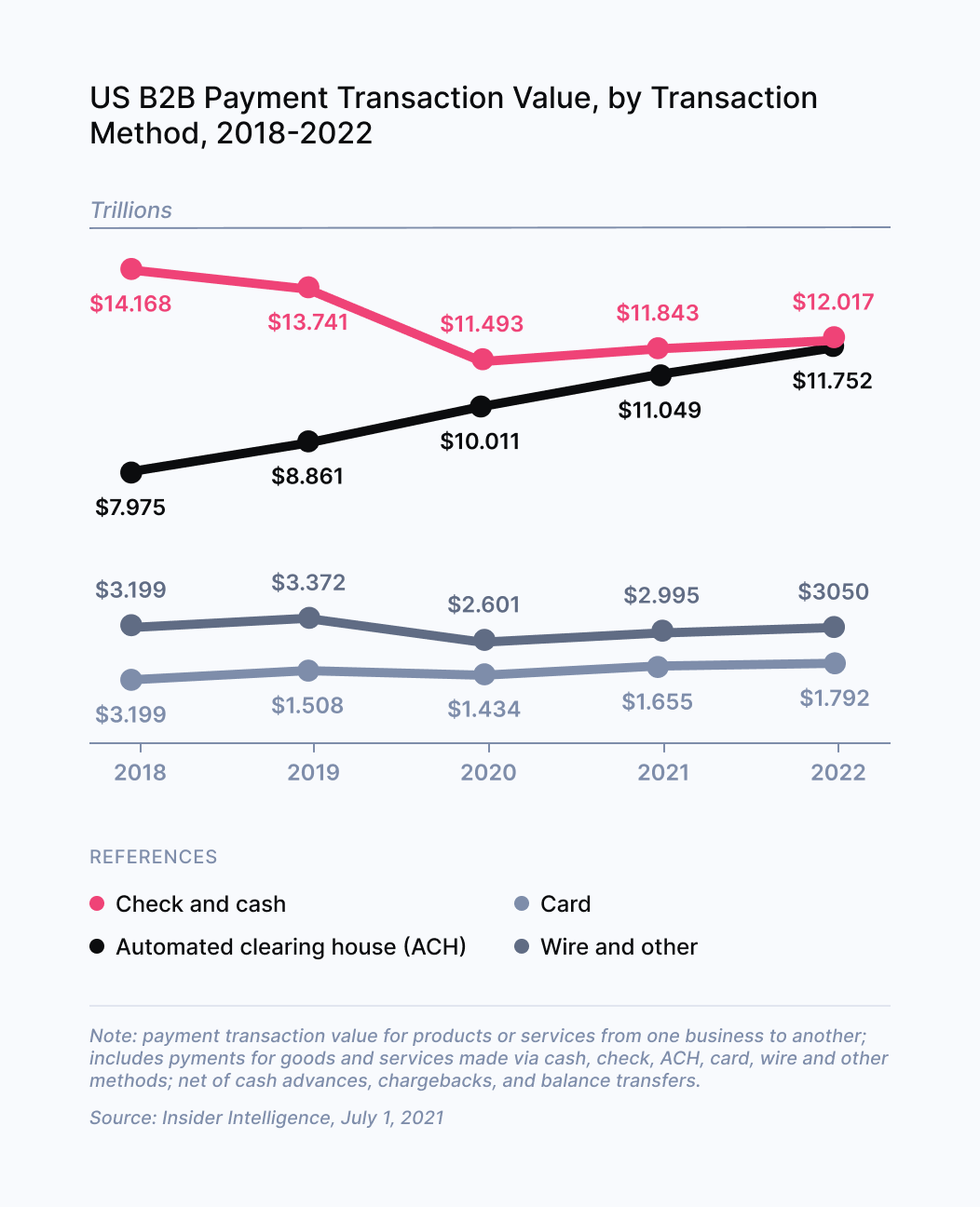
Millions in B2B Transactions Flow Every Day...
This vast sum makes corporate bank accounts a tempting target for cybercriminals. And unfortunately, many businesses haven't adapted their security measures to face this evolving threat.
Remote Access and B2B Payment Security: A Double-Edged Sword
Remote screen-sharing tools like AnyDesk are invaluable for legitimate business purposes, from IT support to design collaboration. However, hackers exploit these tools' trust to gain unauthorized access to corporate devices and initiate fraudulent payments.
How remote access scams lead to wire transfer fraud
Hackers send personalized phishing emails, often mimicking legitimate financial institutions, urging the recipient to download a "live chat app" to resolve an urgent issue. This "app" is actually remote access software, granting the hacker complete control of the victim's device once they share the access code.
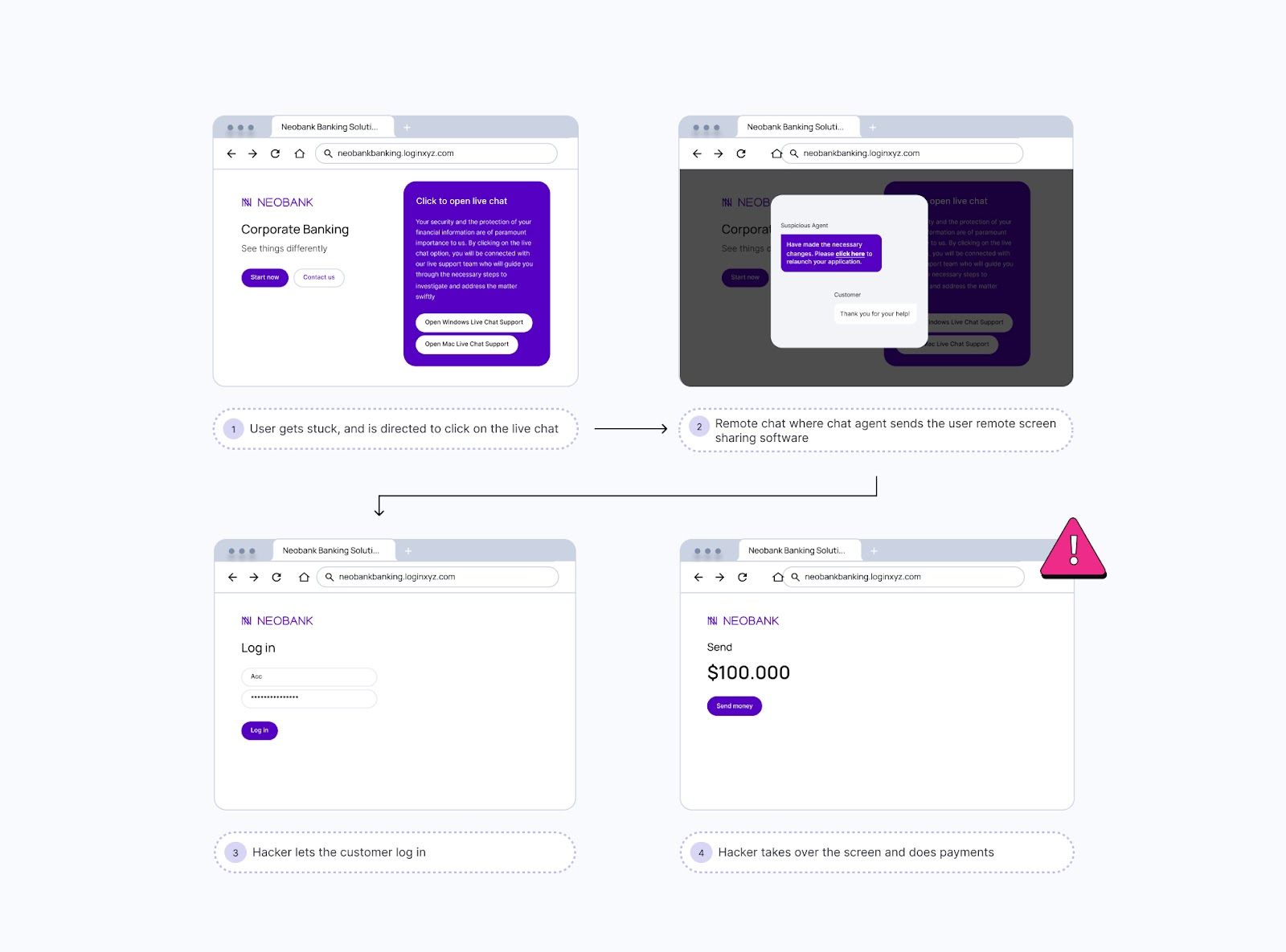
What makes this attack so concerning is its effectiveness. The familiarity of remote access tools lowers suspicion, and traditional fraud prevention systems often lack the sophistication to detect their misuse.
Access codes provide complete control without needing traditional credentials, making them a powerful tool in the wrong hands. If a finance team is logged into the online portal, the attacker now has complete control over the corporate finance account.
Lessons from scam detection for banks
- We learned in consumer banking that detecting device usage and user behavior is the most valuable signal for detecting scams, wire transfer fraud, and suspicious payment behavior.
- Detecting remote access is now mission-critical. There are very few reasons a corporation would wire a significant amount of money via a remote access tool.
How remote access scam detection works:
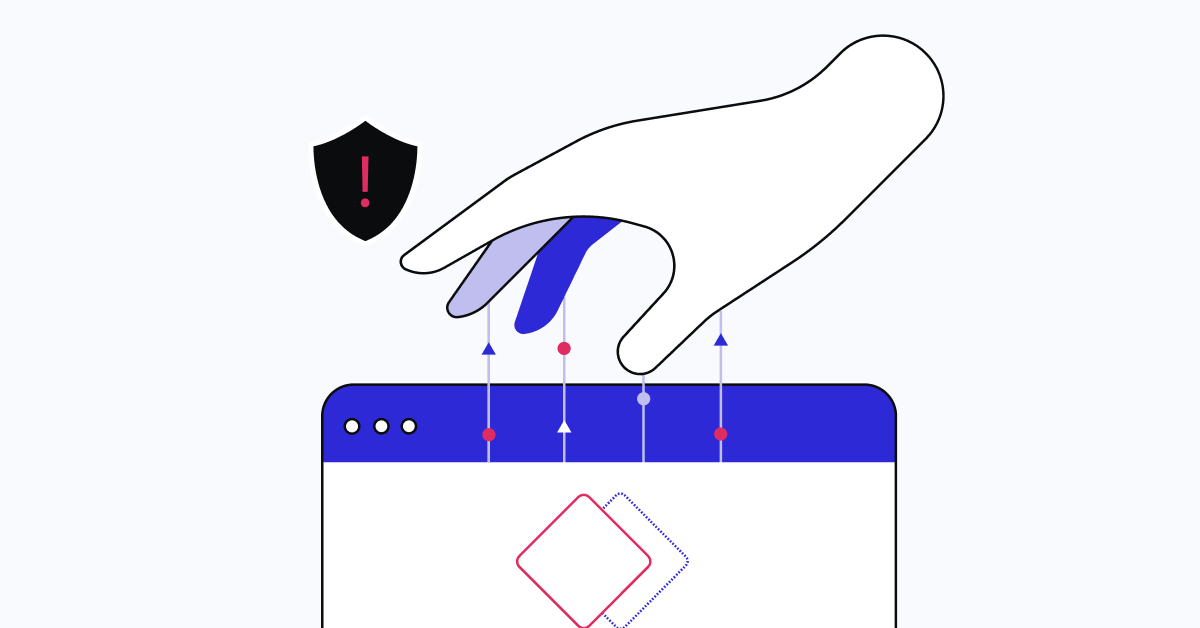
Sardine is the only platform that can detect all screen sharing apps and software, including Anydesk, Teamviewer, Citrix, and Zoom or Teams screen shares. We broke down how that detection works against live remote-access scams in our walkthrough of remotely guided fraud.
We use proprietary signals and machine learning to deliver 92% precision and a 96% detection rate.
Today this is used by clients to help stop
- Fake tech support scams
- Fake investment advisor scams
- Customer support scams
We look for clues like guided mouse movement, calls in session, and recent screenshot behavior from linked devices.
Combined with a wider platform that comes pre-loaded with over 4,000 machine-learned features and 1,000+ ready-baked rules, we help teams go from 0 to 1 on remote access detection (and a lot more).
The Future of B2B Fraud Prevention:
By combining these behavioral insights with transaction monitoring, businesses can gain a powerful advantage in the fight against B2B payment fraud. This layered approach can stop large, unauthorized transfers in their tracks, protecting companies from significant financial losses.
The next time you see a remote access tool, don't panic. But do remember: the bad guys are getting smarter, and the battle lines of fraud prevention are shifting. It's time to adapt your defenses and embrace the future of behavior-based security.
B2B payment fraud FAQs
What makes remote access scams so effective against finance teams?
Remote screen-sharing tools are a normal part of business operations. IT support teams use them regularly, which means a phishing email asking a finance employee to install one doesn't immediately raise suspicion. Once the attacker gains access to a device where the employee is already logged into a corporate banking portal, they have complete control over the account without needing credentials of their own. The familiarity of the tool is exactly what makes the attack work.
How does remote access scam detection protect against wire transfer fraud?
Detecting remote access software during a payment session is now one of the most direct ways to stop wire transfer fraud before money moves. Banks and fintechs can look for signals like guided mouse movement, calls active during a session, and recent screenshot behavior from linked devices. Combined with real-time transaction monitoring, these signals can flag a suspicious payment at initiation rather than after the funds are gone.
Why does B2B payment fraud require behavioral fraud detection, not just credential checks?
Credential checks confirm that the right username and password were used. They can't confirm who is actually controlling the session. Behavioral fraud detection analyzes keystroke cadence, mouse movement, scroll patterns, and session rhythm to detect when a fraudster is in control of a device, even if the login looked legitimate. For high-value wire transfers, that behavioral layer is often the only signal that something is wrong.
What is business email compromise, and how does it lead to payment fraud?
Business email compromise is a scam where a fraudster impersonates a vendor, executive, or trusted partner to trick a business into sending money or changing payment instructions. It's one of the most damaging forms of B2B payment fraud because it exploits trust rather than technical vulnerabilities. A convincing email asking a finance team to update a supplier's bank details or approve an urgent wire can result in a large, irreversible loss before anyone realizes the request was fraudulent.
Why does B2B payment security need real-time transaction monitoring?
Wire transfers and high-value ACH payments move quickly. By the time a batch review or manual investigation surfaces a suspicious transaction, the funds may already be gone. Real-time transaction monitoring evaluates the sender, recipient, device, behavior, payment amount, and account history at the moment of initiation, giving teams the ability to stop or step up a risky payment before it leaves the account.