




Fraudology
War on Fraud Ecosystems: Why Scam Prevention Needs Systemic Change
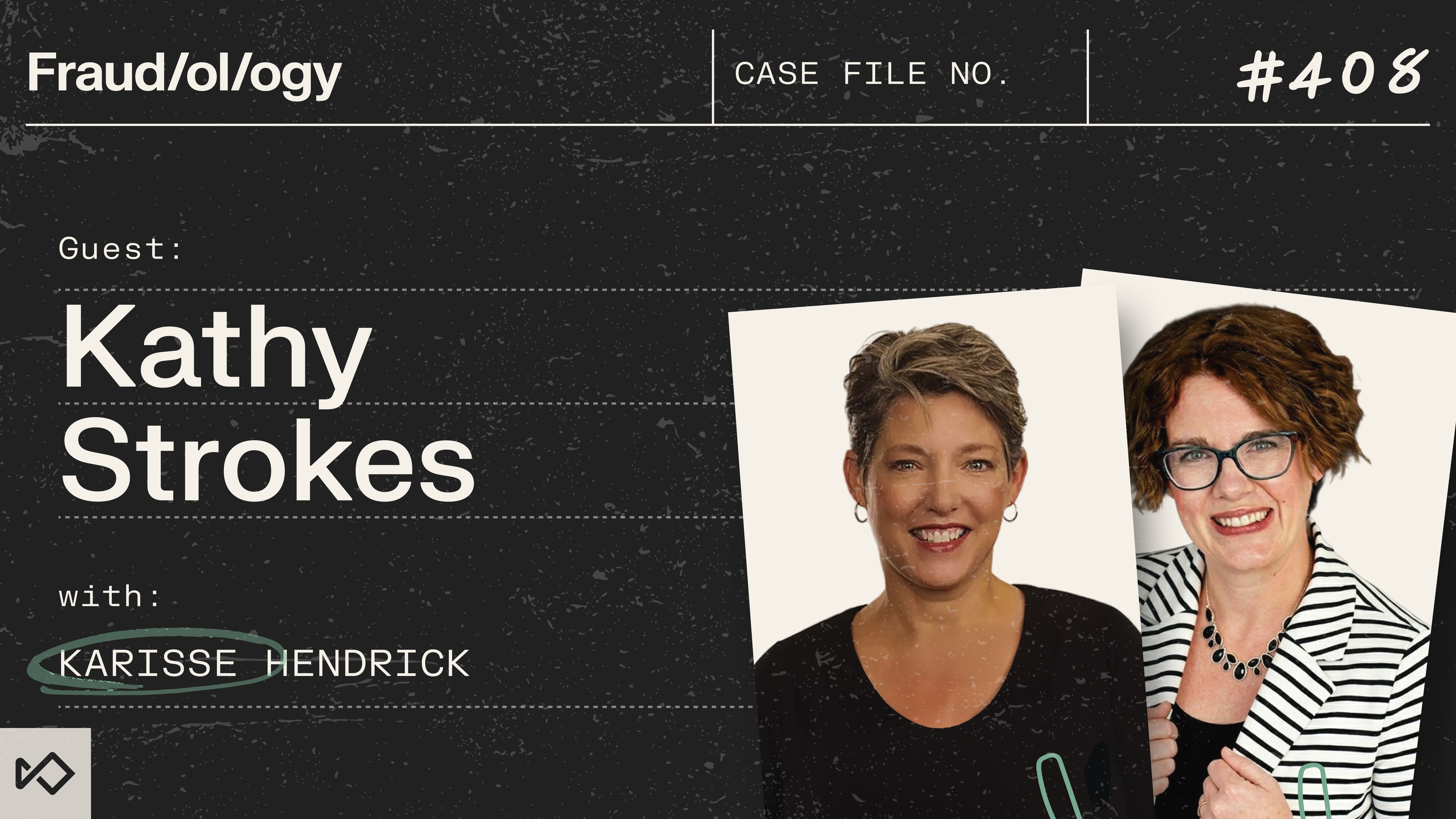
Welcome back to Fraudology.
In this episode, I’m talking through my long-awaited conversation with Kathy Stokes, Senior Director of Fraud Prevention for AARP. Kathy leads work through the AARP Fraud Watch Network, and she brings one of the most important perspectives in fraud prevention right now: the victim side, the enterprise side, and the systemic side.
If we are serious about the war on fraud ecosystems, we cannot keep treating scams like isolated incidents that start and end at the point of transaction. That is the whack-a-mole problem. One victim. One transaction. One report. One loss. One company looking at one piece of the story.
Meanwhile, organized scam operations are looking at the whole system.
They understand where people are vulnerable. They know where companies do not share data. They know where legal teams hesitate. They know where victim blaming keeps people quiet. They know where “acceptable loss” becomes a business decision.
That is the part we need to talk about.
Kathy and I get into why elder fraud prevention has to move beyond generic consumer tips, why public-private fraud intelligence is becoming so important, and why organizations need to stop thinking of fraud loss as something that just happens in the background.
It is not background noise.
It is real money. Real people. Real emotional damage. And in many cases, a much larger organized fraud network sitting behind what looks like a single scam.
Episode notes & key takeaways
This episode is about why fraud prevention cannot keep operating like every scam is a one-off event.
That model does not work anymore.
Honestly, it probably never worked as well as we wanted it to.
When a victim loses money, the transaction is only one piece of the story. There may be a retail purchase, a bank transfer, a payment platform, a messaging app, a search ad, a fake website, a shipping address, a phone number, and a criminal group behind all of it.
If every company only sees its own small piece, the organized fraud network gets to stay intact.
That is why the war on fraud ecosystems has to be about connection. Public-private fraud intelligence. Fraud data sharing. Cross-industry fraud collaboration. Better victim support. Better case building. Better understanding of how scam networks actually move people, money, and goods.
Kathy’s work at AARP is important because it keeps pulling the conversation back to the human impact and the systemic failure. Fraud victims are not just data points. They are people who have been manipulated, isolated, blamed, and often left to recover on their own.
That has to change.
Why whack-a-mole fraud prevention keeps failing
Whack-a-mole fraud prevention treats each incident like a separate problem. One suspicious transaction. One customer complaint. One account. One report.
Organized fraud does not work that way.
Scam networks operate across platforms, retailers, banks, payment systems, telecom, search, social media, and shipping. They do not care where one company’s visibility ends. In fact, they depend on that gap.
So when companies only solve for their own narrow exposure, they may reduce one type of loss while leaving the broader fraud ecosystem untouched.
- Organized fraud often moves across multiple companies and sectors
- Single-company visibility can miss the larger scam network
- Fraud prevention strategy needs to connect activity before, during, and after the transaction
- Scam prevention improves when teams look for ecosystem patterns, not just individual events
Why fraud data sharing changes the picture
Fraud data sharing is one of the biggest shifts in this conversation.
Yes, there are real legal, privacy, and operational questions here. No one is saying this is easy. But the risk of not sharing is becoming much clearer.
If one company sees five small scam-related events, those may look isolated. Another company may see ten more. A bank may see the funds movement. A retailer may see the purchase. A platform may see the ad. Law enforcement may have complaints that point to the same group.
Separately, those pieces may not be enough.
Together, they can become a case.
That is why public-private fraud intelligence and cross-industry fraud collaboration matter. They help connect the dots that organized scam operations rely on companies keeping separate.
- Fraud data sharing can reveal organized patterns earlier
- Public-private fraud intelligence helps turn small incidents into larger cases
- Cross-industry fraud collaboration gives teams more complete visibility
- The National Elder Fraud Coordination Center can support stronger case building against organized fraud
Why victim blaming protects the fraud ecosystem
Victim blaming is not just unfair.
It is operationally useful to criminals.
When victims feel ashamed, they are less likely to report. When they do report, they may minimize what happened. When companies treat them like they should have known better, the fraud ecosystem gets less visible, not more.
That is a problem.
Kathy’s work around victim support matters because fraud recovery is not only about money. It is also about helping people understand what happened, reconnect with support, and move from isolation into action.
The fraud industry has to be honest about this. Sophisticated scams work because they manipulate trust, fear, urgency, loneliness, authority, and emotion. That does not make the victim foolish. It means the scam was designed to work.
- Victim blaming in fraud reduces reporting and visibility
- Fraud victim support helps people recover emotionally and practically
- Better reporting improves intelligence for fraud teams and law enforcement
- Elder fraud prevention needs empathy, not generic advice or shame
Why enterprise fraud risk needs a wider lens
Enterprise fraud risk is often measured in losses, chargebacks, bad debt, claims, or operational cost.
Those numbers matter.
They do not capture the whole picture.
When scam networks operate through a company’s platform, payment flow, ads, products, or customer base, the risk is not just financial. It is reputational. It is legal. It is operational. It affects customer trust. It affects employee decision-making. It affects whether fraud losses become something the company quietly accepts because fixing them feels too hard.
That is where organizations need to be careful.
Acceptable loss can become a very convenient way to avoid systemic change.
- Enterprise fraud risk includes financial loss, liability, trust, and customer harm
- Fraud loss prevention should account for organized scam operations, not just individual losses
- Companies need to evaluate how their systems may be used inside a broader fraud ecosystem
- Consumer fraud prevention is stronger when enterprise incentives are aligned with blocking scams
Why fraud education has to be practical and systemic
Fraud education still matters. But it cannot be the only strategy.
Telling consumers to be careful is not enough when organized scam operations are using professional scripts, emotional manipulation, fake identities, impersonation, ads, payment channels, and laundering paths.
People need practical fraud education. They need to understand how scams work, how pressure is used, how to report, and where to get help.
Companies also need to change the environment around the victim.
That means better detection. Better escalation. Better sharing. Better support. Better willingness to block activity that may be profitable in the short term but harmful in the long term.
- Fraud education should explain scam mechanics, not just warning signs
- Consumer fraud prevention works better when companies reduce the opportunity for harm
- Scam prevention requires both individual awareness and systemic controls
- Fraud recovery needs to be part of the prevention conversation
Final takeaway:
The war on fraud ecosystems is not won by responding to one transaction at a time.
That is the point.
Organized fraud is connected. Scam networks are connected. The movement of money, goods, data, and victim trust is connected. So the response has to become more connected too.
Fraud teams need better intelligence sharing.
Victims need better support.
Companies need to stop treating certain fraud losses as acceptable background noise.
Law enforcement needs stronger case-building pathways.
The industry needs to stop confusing consumer education with systemic prevention.
If every organization keeps playing whack-a-mole alone, the fraud ecosystem wins by default.
And honestly, we have seen enough of that.
Connect with Kathy Stokes | LinkedIn
- Senior Director of Fraud Prevention for AARP
Connect with Karisse Hendrick | LinkedIn
- Host of the Fraudology Podcast
- Award-Winning Cyberfraud Expert
- Ecommerce Fraud Prevention Consultant
- Startup Advisor, Keynote Speaker, and
- Consultant to Fortune 500 merchants
Episode transcript
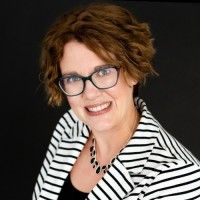
Karisse Hendrick
00:02
Welcome to Fraudology Podcast, where we dive into the science and study of online fraud from the perspective of an e-commerce fraud fighter. I'm Karisse Hendrick. Welcome back to Fraudology. This is a conversation I've been really looking forward to having. A lot of you may be familiar with AARP and their Fraud Watch Network and just all that they do to educate their members on fraud and scams. And one of the people behind a lot of that education and policy work is Kathy Stokes. She is the senior director of fraud prevention for AARP, and she oversees the Fraud Watch Network and so many other projects that I'm looking forward to learning more about. And I think really at the end of the day, a lot of us want to know how we can help in our day-to-day lives, help victims not be victims. And that is one of the things we're going to talk about today. So, Kathy, welcome to Fraudology.
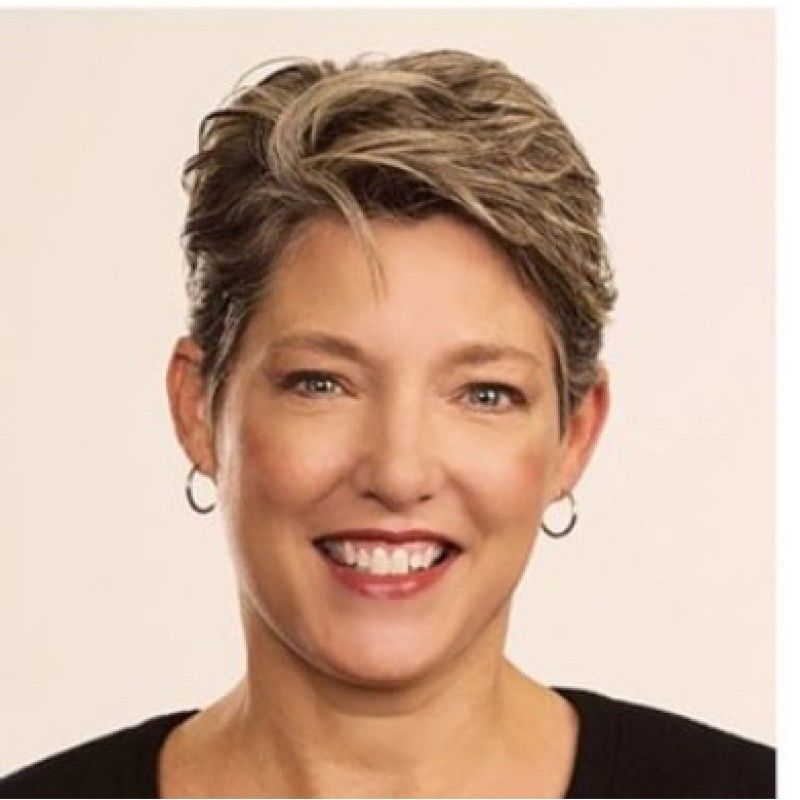
Kathy Stokes
00:57
I'm so glad to be on Fraudology after all of these years. I've been a long-time listener.
Karisse Hendrick
01:01
Thank you. That means a lot. So I'm just going to dive right in. There's so many things that we could talk about, but let's start with, you know, beyond your title, what is your role in some of what you do at AARP?
Kathy Stokes
01:14
So AARP is a couple of different types of organizations, three actually. One is a for-profit, and that's where all of the great benefits and discounts come for our 30-some million members. So that's the for-profit. And then there's the AARP Foundation, which is really focused in on supporting low-income adults. And then in the center, I call it the enterprise. People call it the enterprise. I'm not really sure if it's the enterprise, but that's what it goes by internally. And that's where all the social mission work is happening. So that's where our policy advisors are, advocates on the Hill and in the states. It's where all of our education and outreach is on the various programs that are of concern or interest to older adults. Our constituency is people that are 50 and over and their families. And in that I sit in what's called programs, and really it's this education and outreach for older adults, really to help them understand the significant risk their retirement security faces because of the crisis of fraud we find ourselves in.
Karisse Hendrick
02:22
Yeah, I'd imagine that you, I mean, I know you've been there for 10 years. I would imagine that you've only gotten busier.
Kathy Stokes
02:28
Yeah, that's sadly true. But I think we've also gotten more intentionally focused. So I did something else for a year or two in my first part of AARP, and I came into the Fraud Watch Network when it was being moved from one part of the organization into this programmatic area and social mission. And that's when I was the interim lead and then ended up leading it since then. Like, totally changed my life. I was doing fine what I was doing. I didn't actually want to work at AARP. Honestly, I had my own business for 10 years and I would have been fine having my own business for the rest of my career. But then I got sick and I needed group healthcare, and I was like, you know, AARP was a client and they had healthcare. So I'm like, all right, I'm in. And then like for a year I'm like, what am I doing? But then I finally learned the organization. I love the social mission objectives. The people here are amazing. And then I had this amazing program where we are actually making a difference on a daily basis. But we started out the way things were back in 2018, where we just have to educate consumers. If they know what these scams are, then they're not going to engage with them. And that's our solution. To the point that I was meeting people in federal agencies, I was meeting detectives and other people in law enforcement who had sort of switched out of their day job to do education in community because they thought that that was the thing they need to be doing. And it took me a couple of years to go, wait, time out. This is a crime and we're not calling it crime. And we have all the people that are supposed to be going after the criminals out educating consumers instead. So who's going after the bad guys? So, you know, I started putting these things together in my head and started to begin to say, look, we need to educate. We absolutely do. It's a critical part of all of this, and we will continue to do it. And we've done it at scale and across as many channels as we can find, anywhere from our maybe 750 trained volunteer fraud fighters that are out in community around the country working through their state offices to get out the message of fraud prevention. We have a podcast called The Perfect Scam. We have great resources online. We do webinars. We do all kinds of stuff. But we need to be doing a lot more at a much higher level. We need systemic change. And I'm not the first to say that, but I probably was the first here at AARP to start demanding we need to do more. And fortunately, I've had a lot of autonomy to be able to sort of, you know, pull some threads and go, wait, there's something here. For example, when I first took this over, I was meeting with the new team and we were all new, and with my colleague who runs our victim support programming. She runs a helpline and these support programs. And we were all having this conversation about how people, when they call in, they were so embarrassed and they were so mad at themselves and they felt humiliated. And we started talking about that. And I'm like, okay, yeah, we see it, but why is that happening? So we researched it with the FINRA Investor Education Foundation, did a super deep dive on fraud victim blaming, and we found out, yep, at every level of our society, we blame fraud victims for the crime they experienced. But we also learned that we don't mean anything by it. It's just like we're super used to responding by, oh my God, how did, why did you answer that phone? You know, that kind of immediate reaction. Or, you know, that sense of the American sort of rugged individualism, like pull yourself up, you know, it's on you that that happened, and move on. And then there's attribution bias. So we all sort of suffer from the, there must have been something about that person that made them gullible, you know. And so then who were we thinking back then? We were thinking old people. We were thinking it only happened to older people because it must be about cognitive decline. Who else would fall for this? Or, oh, they're just not tech savvy, or, you know, they're too nice to hang up the phone. And in the reality of all things, we were just lying to ourselves. We were just going, not my problem, let it be their problem. And while we were doing that, the problem was getting worse and worse and seeping out across many, many more demographics. And now we are at a $200 billion a year crime loss, the biggest crime in this country. And it has a lot to do with the fact that we didn't even own up to it being crime to begin with. Anyway, that's informed a lot of our work, and part of that was creating an entire campaign around changing the narrative. Look, this woman who was a victim, whether she was older or younger, yeah, say that somebody stole from her. Don't say she got swindled out of her life saving.
Karisse Hendrick
07:20
I was just going to say that. Yeah, it starts with just how we talk about it.
Kathy Stokes
07:24
Yeah. And so we have a website dedicated to that, and it's aarp.org/wordsmatter. And it's this whole concept of let's reframe it so that not only are we thinking differently about it, but it'll help us do differently about it. We can understand that it's not just a problem of people with cognitive decline, that this is now very clearly transnational organized crime syndicates. They're coming after America. They're coming after Europe. It's a national security threat. We need to be doing more than telling people, sorry, it's overseas, we can't do anything about it.
Karisse Hendrick
07:58
Oh my gosh, yes. I have had several great people on my podcast that have talked about doing just that. I can't remember one of their names off the top of my head, but he was a former U. S. prosecutor that Amazon hired to go after people that are doing impersonation scams. And not only impersonation scams, but also that were selling counterfeit pharmaceuticals and other goods on their website. And they were able to get international, you know, jurisdiction internationally, even in China, there are a couple of cases. And a lot of it had to do with working with, you know, building the relationships with those law enforcement agencies. And then I've had Eric Bowles on a few times who used to run the enforcement at StubHub. And back when StubHub first started, you know, they had so many issues with counterfeit tickets and money laundering and so many other issues. And a lot of merchants, a lot of online companies have just kind of been like similar to what law enforcement was doing as well. You talk about, you know, education. A lot of times it was just we'll just keep playing whack-a-mole and try to stop it at the upfront so it doesn't become a loss to our company. But then we won't do anything on the back end. We won't try to prosecute. We won't, you know, because it's too big, because it's, you know, international, because it's not a revenue generator. It doesn't, you know, get you any revenue to prosecute the people that are trying to steal from your company. But yet in stores there's, you know, stickers on mirrors that say we prosecute shoplifters. There's video cameras. There's security guards. There's so many things in store. But online we weren't doing anything like that. And Eric created one of the best-in-class organizations I've seen. He just traveled so much internationally for about two years to create relationships with Secret Service and FBI and DHS. And, you know, then when he had a case, he was able to do it. And they had one very large case. I can't remember the dollar amount, but it was huge. It ended up on the cover of New York Times and USA Today and a bunch of other places. This was, gosh, probably in 2017 or 18, but it was Russian organized crime and it was millions of dollars. And it was across the U. S., it was across Russia. There were people that were indicted when they traveled into Europe, that type of thing. And so I think it's a really good reminder, not only on the individual consumer side, but on the business side as well, that this is a crime and we're not just, you know, we shouldn't just try to stop it and educate at the funnel. It needs to be across every part of it.
Kathy Stokes
10:41
It does. The whole sort of scam ecosystem or life cycle. And I know in the space of time I've been involved in this, the very specific focus has been on the end of, you know, the criminal makes their way, right. It's not just one guy in a basement, to the person. And the last fast spot to try to save anything is to get that money to not go out of that financial account. And there's been so much pressure on the financial services industry, rightly so. There has to be, there has to be on every level. But it neglected everything else. Like how are these people getting to us to begin with? What we need to be looking at now is exactly that. We can't just say get a VPN, freeze your credit, make sure you use strong passwords. We need these scams to stop hitting us as consumers to begin with. There have to be solutions in that space. I absolutely have to believe that that is not impossible if we all work together.
Karisse Hendrick
11:43
I love the optimism and the resolve too. I mean, you're not just sitting around saying this would be nice to do, like you're doing a lot of the work for that to happen. What are some of the initiatives that you've done to be able to expand beyond just education?
Kathy Stokes
12:02
Yeah. So one of the other sort of important pillars within what we're doing in the Fraud Watch Network is recognizing many years ago that lack of law enforcement ability to do much about this. And it's not saying that. It's not like they couldn't try or anything. They're not set up for these kinds of schemes. Nobody's reporting because they're embarrassed, so they don't even understand how bad the problem is.
Karisse Hendrick
12:27
Or if they are reporting it, it just goes to the IC3 and sits there.
Kathy Stokes
12:30
Yeah.
Karisse Hendrick
12:31
I mean, I know that they're doing something. They're trying to do more with that data, but for years that was the only thing we could tell victims to do, is call the IC3 and report it. And you're right, most people don't report it, but the few people that were, they were hoping to get an FBI, you know, agent on their doorstep wanting to catch this guy, and that never happened.
Kathy Stokes
12:52
And the FBI wasn't set up to work that way. And, you know, think about how complex these cases are on the investigative end, how many players you have, how many jurisdictions there are, how many strings you can pull. And it makes them these very sort of confusing and just difficult, difficult cases anytime it's financial crimes. But when, you know, they're not set up to look at it through the organized crime lens that this is all now happening through. So that's what's needed. This layer of, okay, that $10,000 tech support scam that was just reported to, you know, Daytona police, that doesn't sit by itself. It can't. We've got to figure out what else that connects to. And if you look through an organized crime lens and start to look at pieces of fraud intelligence that make those connections, then you can start to create these larger cases from the smaller cases that actually go after the bad guys. And I was indoctrinated in this whole concept about, I'm going to say five years ago or so, there was this FBI investigator out of San Diego County. His name was Brady Finta. He was an elder fraud investigator and had created with others in San Diego the first ever elder justice task force of law enforcement where they were basically saying, let's bring all of the cases that you know of together and let's try to pull the pieces and see if we can make something out of nothing. And they did. And that is a model. And so what Brady decided to do, and a short version of the long story, is to create a national nonprofit, 501(c)(3). He's the CEO. He's got funding. Initial founders were Amazon, Google, Walmart, and AARP. We each put up money to get this thing started. And his process is to share intel from the private sector with existing cases that the FBI is stuck on so that they do an analysis. They'll take a case out of San Diego FBI, and the San Diego FBI might be saying, like, we can't really do anything more than what we have. Can you help us? And so his analysts go through and they look for certain fraud selectors, and then they do a request for information to the member companies of the National Elder Fraud Coordination Center saying, what do you have? Or do you have something on this IP address, this Gmail address, this account? And they either wave their hand and say, yes, we do, we just need a friendly subpoena, or they're willing just to send it over because they believe that that's what they can do. And these cases that are stuck become unstuck.
Karisse Hendrick
15:33
Wow.
Kathy Stokes
15:34
They have one case that came out of San Diego that turned out three other FBI offices were working on, but on different aspects, and they couldn't see each other through it because of all the data, right? But NEFSI was able to see the connection and they brought that case together, and it's now the last time I heard, like, a $75 million case, not just a couple hundred thousand, hundreds of victims, and arrests are being made right now. And does this make the bad guys go away? No. But it does begin to disrupt a business model that needs people here in the United States aiding and abetting all of the crime rings around the world. They start making it harder to find them. Maybe they'll find another way to get to people.
Karisse Hendrick
16:19
Well, and they'll tell their friends, right? I know I've talked to and worked with former cyber criminals in the past that have done time. And one of them said, you know, that when they'd go to prison, people would ask him to teach them how to do it because the time was less or he was a rarity. And, you know, most of the time nobody got caught. So they were like, hey, teach me how to do this because I got six years for, you know, a dime bag of weed or whatever it is, you know, something kind of small on a drug charge. But then, hey, you have way less time and there's not many of you.
Kathy Stokes
17:09
They're actually paying attention now. We are seeing evidence. It's one of my supporting activities. I'm an advisor to the board of something called the International Association of Financial Crimes Investigators.
Karisse Hendrick
17:23
Yeah, yeah, I'm familiar with them.
Kathy Stokes
17:25
I've been involved for about like eight years or something like that. And at the beginning, it was like a spigot of information, like, oh my God, I'm learning so much about how these guys are doing what they're doing. It was probably early on then where I had started hearing in those board meetings that thugs that were, you know, drug dealers were turning to financial crimes because they knew they weren't going to be looked for. It was easier, it was safer, it made more money. And then, you know, coming out of that, we start to see the pickups of people's homes of the money where they're being told that they got to send $50,000 to the grandson who's in trouble. And the person picking up that money happens to be, you know, the former drug dealer who's probably armed. So then you have that whole level of fear and criminality involved. [Episode Break: (00:18:14): One new feature that Sardine recently introduced to their product suite is called the Anomaly to Rule product. If your system suddenly experiences a huge spike in risky activity, Sardine's machine learning will suggest a new rule to detect it. In addition to creating the rule, you can decide what to do with the transactions or accounts that triggered this new rule. Some of your options include putting the system in shadow mode to gather the data but not actually take action on these accounts. Or you can send them a manual review or automatically cancel them. This feature is so needed because often the time between spotting activity and finding the right rule to trigger can take some time. Especially if you're relying on traditional legacy rules and data analysis to manually create new rules. In this case, you can go from experiencing high risk activity to making a rule and acting upon it within hours instead of days or weeks. For more information about this feature or any of the other products within Sardine, go to www.sardine.ai to read more information or to request a one on one product demo.]
Karisse Hendrick
19:21
I'm really fascinated by all the work that NEFSI's doing, especially the private-public relationship. I want to make sure that the listeners who work for enterprise e-commerce companies like Amazon and Microsoft and Google know about it so that they can, you know, look into becoming members as well. I think I told you offline that there's already one merchant that instantly came to mind that I think would really want to join forces with this. What are some other ways that people that have dedicated their careers to fraud and scams can get involved with, whether it's AARP or the other things that you're doing, to do more?
Kathy Stokes
19:58
So if people are interested in serving their community in this space and they have the background in the fraud space or, you know, financial crimes generally, customer service, dealing with people from banks and financial institutions who've had to see people go through this, there are opportunities. I had mentioned earlier, we have about 750 volunteer fraud fighters. We call them fraud fighters out in community. We have state offices all around the country. There are 53 of them, and each state has a Fraud Watch Network and they do it differently depending on the state and other priorities. But generally they have a team of dedicated volunteers, a lot of them who have background in financial crimes or, you know, the business of fraud, in terms of like having worked for fintech or you know what have you. And we train them up and they can do a number of things. They can go out into community and give presentations. Sometimes they do a lot of really fun things. I can't even remember what some of the names of them are, like, you know, how you can let go and sip wine and paint. We also like sip wine and do fraud trivia, you know, that kind of thing. And it makes it sort of fun and engaging. And really the goal is to get out some basic messages on this. This is kind of what the scams are looking like. This is what you could do to avoid them. And by the way, if that's new to you, tell your neighbor, call your son, call your mom. We have to be having these conversations. But we have trained people that do that. My team does the training for them. We also have, which I think is backlogged right now, about 150 or so volunteers who work our helpline. Again, these people have a lot of the background in fraud investigations or support victims. And, you know, they give this gift of time to talk with victims and their family members to sort of help them understand what happened, figure things out, know to call law enforcement and report it. But also right away, here are the things you need to do, see if you can stop the bleeding. You know, those things. And that number, the helpline gets 100,000 calls a year.
Karisse Hendrick
22:11
And that's all run by volunteers.
Kathy Stokes
22:13
Yeah. So there's a staff of five or six that run the whole thing, and the helpline is part of it. But then there's also this victim support programming, which is a small group Zoom support sessions. And we put that together as a pilot four or five years ago and really struggled. We were trying to, like, we knew from the helpline and Amy Nofziger's experience on there, she's been doing helpline work here for like 30 years. People need more. They need more than that conversation on the phone, even though that conversation on the phone could be two and three hours, but it's still like so much. They need so much more. So we piloted this emotional support program. We're not social workers, you know, we're not clinical, but we're trained peers trying to help people understand two really important things. One is you didn't do anything wrong. It's not your fault. And then the other thing is you're not alone, because most people, when they do this, they don't want to tell anyone because they're so ashamed that they think it couldn't have happened to anybody else, right? So we do these sessions. And it was a really slow start. We were like, you know, a session a week. Oh, okay, two sessions a week. We're up to 11 sessions a week now, which may not sound like a lot, but I kind of think it is. And it's all volunteer run with some staff. And then the victims come through. And it's not like they just go, okay, I got my message, I'm going to move off and start my own healing journey. They keep coming back and they're developing community in that community. They build agency. And in that whole process, they start to regain a sense of themselves and some confidence and say, you know what, I'm ready to tell my story. I think it'll help. So now we're having all of these great opportunities to find opportunity for these fraud victims to tell their story. From the first person I mentioned to you before I got on the call today.
Karisse Hendrick
24:01
I was just going to ask you about.
Kathy Stokes
24:02
With Mary Ellen, a woman who was in an Amazon impersonator scam, and she had $400,000 stolen from her and has been really, really badly affected, but has regained that sense of self. And she joined me and talked to employees at Microsoft about what happens when somebody experiences a crime like this. And the people in that room were like, there are things we can do.
Karisse Hendrick
24:29
Yeah. Kathy Stokes: Thank you so much for telling us. We didn't understand this part, but maybe we can do something here. And that's just one example of like a dozen examples of things that we're getting these, what I'll say, victims who are now survivors, who are now warriors are doing with their lives now.
Karisse Hendrick
24:45
Yeah, several have written books recently, like victims of romance scams, things like that. I've noticed that, yeah, yeah. I think that that's, those are all really great things that I didn't know that we could do. I mean, I'm even interested in a couple of those, you know, volunteer opportunities just because sometimes I feel like I have all this knowledge and this empathy, but I don't necessarily know what to do with it all the time. But I often, I've been called once or twice the fraud therapist, more so on the merchant side, but more so for people that are frustrated that their company may not care about fraud as much as they do. That can be a really challenging.
Kathy Stokes
25:22
Yeah, yeah. I was at a conference a couple of weeks ago and was really feeling kind of dejected because there were a lot of financial institutions in this space talking about. One of the things I heard was that an acceptable amount of loss, this is a major financial institution, an acceptable amount of loss for this company, for their account holders from fraud was $650 million. And I'm like, could you just hear yourself say that? You really think that that's acceptable? No, it's not your money, but it is somebody's money.
Karisse Hendrick
25:56
Right. And those are victims, and that's money that you're going to fund terrorism and other really, you know, scary things, human trafficking and so many other things too. I get very fired up about those four words. I hear them often, the acceptable level of loss. I actually was just talking to a friend of mine yesterday who runs the fraud department for a very large, like, Fortune 50 company, and I was, you know, telling her that I've seen a big difference in people that are leaders in fraud. Those that get kind of dejected and get kind of apathetic and like, we have an acceptable level of loss. As long as we stay under that, we're fine, versus those fraud leaders that can continually try to chase the we're going to catch 100% of the fraud and we're also going to approve as many orders as we can that aren't fraud too. It's a balance. But those people that consistently work for, we're going to have the least amount of fraud on our platform as possible. Even if it doesn't cost us money, it costs the victim money. I see that every day, that there's some leaders that are apathetic, like a big shrug emoji basically. And then there's others that are instantly, and I definitely gravitate towards the latter. And I'm lucky to know so many of them and try to, you know, get them together in various circumstances. But it can be really frustrating and dejecting to your point when banks and e-commerce platforms, marketplaces are just like, we're fine with losing this much money.
Kathy Stokes
27:30
Yeah. I think those are the people that need to hear the first person, you know, that.
Karisse Hendrick
27:34
I agree with you 100%.
Kathy Stokes
27:36
And at this meeting, I was feeling like, oh my God, why am I trying so hard? It's not ever going to get anywhere. But then I heard somebody, and I'm not going to say who, what organization they represented or anything, but he told a story about how his organization, huge financial institution, their lawyers, have changed their tune from we can't share this information because there's too much risk under, was it 314(b) or whatever, to saying there's too much risk if we don't share. And that's the first loud and clear verbiage, if you will, from that industry that I'm like, okay, I'm back in.
Karisse Hendrick
28:16
Let’s go. Right? Yeah. I think we all need to change our tune and not get so, you know, discouraged that this is such a huge problem, $200 billion, and that's what's being reported. And it's probably even bigger. But instead get energized to want to work together more. I do a lot of work with, you know, e-commerce companies, you know, bringing them together to fight fraud. We've had some really interesting success stories where, wait, you're seeing that? Oh, I'm seeing that too. Oh, let's, you know, do this and that and realizing that we have a whole new, you know, type of fraud that nobody knew about. Or recognizing that the same people are hitting a retailer that are hitting, you know, a hotel chain that are hitting, you know, this, and getting them all, you know, on the same page and realizing, oh, now we can figure out how to stop them, right? This merchant over here has figured out their IP address. Well, this merchant over here has figured out more about their MO. Well, this merchant over here knows their phone numbers. Exactly. That's what gives me life. And I do that, it's not part of my consultancy, I don't charge for that. It's just something that really has always given me joy, fulfillment and connecting those fraud leaders to each other, especially of competitive companies. The other phrase that drives me crazy other than acceptable level of loss is, we see risk as a competitive advantage. That used to be the statement of several companies in Silicon Valley. I've noticed that they've changed their tune a little bit lately, and, you know, their involvement in NEFSI is a great step. But that used to be a line that I would hear from fraud leaders that worked for companies at Silicon Valley was, we don't want to talk to our competitor. We want them to have all the fraud. Our job is to push it to them. And I was like, but don't you understand that they're seeing things that you haven't caught yet and you can share this information back and forth and just stop it all together, rather than saying we want our competitor to have all the fraud. What if we say, let's just not have fraud at all? It's so frustrating.
Kathy Stokes
30:24
It's like on so many levels with that sort of way of thinking, it's like, where's the humanity?
Karisse Hendrick
30:30
Yep.
Kathy Stokes
30:31
Because in the end, you're going to try to push bad things on to the next company. Oh, that's a horrible human thing to do, as well as to leave all of these.
Karisse Hendrick
30:41
There's victims, yeah, yeah. There's victims, right? It's not just you. There's victims at the end of the day. Well, and I respect your time. One other thing I wanted to make sure that I asked you about, mostly because I'm curious about it too, is the Fraud Wars series. This is a new, you know, something that you've been part of that I'm really interested to learn more about.
Kathy Stokes
31:01
Yes, I am. I'm just so grateful to work in an organization as a nonprofit that is really well resourced.
Karisse Hendrick
31:10
Yeah.
Kathy Stokes
31:11
We have an entire studio in this building where I am in DC. They do podcasts, we do satellite media tours, and we are doing something we call Fraud Wars. And it is a series that was conceived of by a studios team and they came to me, and we got some funding together for them. And last year we launched this. It's a YouTube video series, and it takes the individual stories of, I think it was maybe five people last year, and there are episodes of that person telling his or her story of what happened to them. And it's pretty highly produced. We have really, really great producers down there. And they sort of recreate the scene, if you will, of how the fraud happened to that person to help people understand the victim impact. And so it was pieces of that and pieces of me then coming on and saying something about the scam and, you know, signs or whatever. And so we did the first season. It was really well received, but we did get good feedback on that sort of second part of it, of sort of the analysis, and people wanted to go deeper, wanted to understand better what the signs were. And so this year we've wrapped the filming and they're in production, but we brought Brady Finta, the CEO, yeah, the National Elder Fraud Coordination Center, to help break down the story with me as the second part of the show. We brought Kitboga.
Karisse Hendrick
32:47
Very familiar with Kit. Yep, yep, I know him personally.
Kathy Stokes
32:50
Scambaiter fame. We were even doing a special episode with him and we invited the amazing Erin West to come too, but at the last minute she got pulled off to, I don't even remember, Uganda? Was it maybe?
Karisse Hendrick
33:03
Oh wow.
Kathy Stokes
33:04
They were needing her help to repatriate some scam compound victims.
Karisse Hendrick
33:09
Oh my goodness.
Kathy Stokes
33:10
So she was gone, right? So we missed her for that. So we'll have to get her in Season 3. But it's a really like, we actually take a look at the various sort of pieces of the story and have a conversation about it, like what was happening here.
Karisse Hendrick
33:23
Oh wow, would you?
Kathy Stokes
33:24
From the law enforcement angle, what were the criminals doing? You know, so I think it's going to be that much more engaging.
Karisse Hendrick
33:30
Wow, yeah, that sounds really interesting. I'm going to have to check that out for sure. When does the second season come out? Or is it TBD still?
Kathy Stokes
33:37
They know, I just don't think.
Karisse Hendrick
33:39
Okay, that's fine. I didn't mean to stump you.
Kathy Stokes
33:41
It could be probably July, if not earlier, I'm going to guess.
Karisse Hendrick
33:46
Yeah, that's great. Well, I am really appreciative of your time and all the efforts that you do. I have, I've been a fan of yours for years. Just, you know, following your LinkedIn and the things that you've accomplished in this space. And just how much you've done to really, you know, education is important, consumer education is important, but for you to take it to the next level of engagement and the private and public, you know, sectors and trying to get to the root cause is really admirable and needed. So thank you so much for all your efforts.
Kathy Stokes
34:25
Thank you for saying that, and I will say it absolutely takes a village.
Karisse Hendrick
34:29
Oh, I'm sure, yeah.
Kathy Stokes
34:30
Through AARP giving my team the space to sort of figure out what more, what could we do that's not just this initial sort of remit that we had when we realized that wasn't enough. And then to have a team that is dedicated as mine is, the full-time people, but also all of the volunteers that work across the country and the folks that work in the other parts of AARP. We're a very matrix organization, but on this, we all work together. So we're, you know, we sing off the same sheet of music, and we collaborate really well. And it's just been a really, really great part of my career.
Karisse Hendrick
35:07
That's amazing. One more question for anyone that's listening that would like to get involved in the volunteer opportunities that you mentioned, what's the best way for them to do that?
Kathy Stokes
35:15
There is a website. I think it's aarp.org/volunteer. I might have to double check on that for you.
Karisse Hendrick
35:24
Okay, we can put it in the show notes.
Kathy Stokes
35:25
Yeah, there's one other volunteer opportunity that's fraud related. We call it our Digital Fraud Fighters team, and we get them together once or twice a month and we do some training. Here's what's been going on. And then we ask them to share our content out on their social media channels.
Karisse Hendrick
35:42
So interesting,
Kathy Stokes
35:43
Trying to get the message out as far as we can. It's been pretty successful. So lots, lots of options.
Karisse Hendrick
35:48
That's amazing. Yeah, that's great. Well, thank you again, Kathy, for your time and just all the efforts that you do to try to, you know, I know that we'll never eradicate fraud and scams, but it would be nice to put a really big dent in it and disrupt the ecosystem. And I think that you're doing that.
Kathy Stokes
36:05
Well, I'm not doing it, but I think all together.
Karisse Hendrick
36:07
Yes.
Kathy Stokes
36:09
We're not going to educate our way out of it. We're not going to engineer our way out of it. We're not going to arrest our way out of it. What if we did all of that?
Karisse Hendrick
36:16
Yes.
Kathy Stokes
36:17
Where might we be five years from now?
Karisse Hendrick
36:19
I like it a lot. Thank you so much again. I will hopefully talk to you soon.
Kathy Stokes
36:23
Yes, thank you so much for the opportunity.
View full transcript